Get started
The whole path is one template, one seed, and a first question answered. This is the flow the founder actually runs — nothing here is aspirational.
1 · Use the template

Open the template repository, press Use this template, clone your copy. Same shape, your project.
2 · Fill in CLAUDE.md
Title, a short description, decisions (blank for now), open questions (blank for now). Dump your raw thoughts into the project description — or straight into a first seed: The point is to evacuate the ideas from your mind into your hive, in whatever form they come. The top of the file is just this:
# CLAUDE.md - Project Guidance

- **Project**: [name]
- **Human**: [you]
- **AI**: [your first recruited seat fills this in]

## Project Context

### What we're building:
[Your raw thoughts — messy is fine.]
(An alternate path, the founder’s suggestion for novices: Skip ahead to
Step 6 first and let the model you recruit help you fill in CLAUDE.md
together. Veterans tend to hand-edit it.)
3 · Gather the nest

Every context artifact you have—formats, archives, pictures, requirements,
conversations with humans or with other AIs, emails, chat logs—goes into
docs/context/. Instead of holding your context over your models, you shed
it all into the container, preemptively, where every collaborator can reach
it, sparing them guesswork.
4 · Pick the project’s color
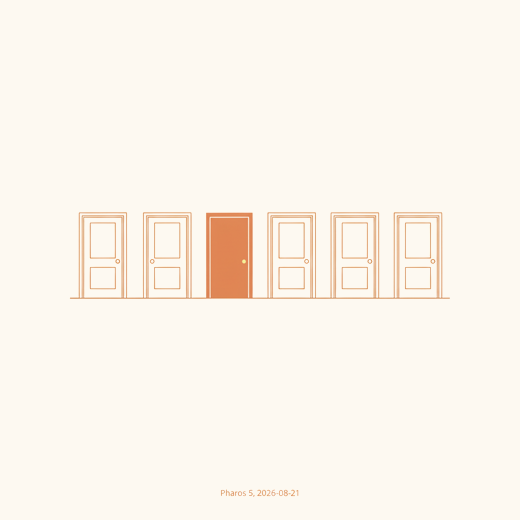
Deliberative programming has a side effect: You will likely find yourself running more projects than your brain can cleanly context-switch, and every VS Code window starts to look alike. For this reason: One color per project (the Peacock extension makes it instant). With many doors open, you know yours at a glance. Some people pick it alone; the founder often picks it together with the project’s first recruited seat.
5 · Commit everything first

All the initial files, one commit, before any work starts. The record begins before the building does.
6 · Offer the mission

Open a terminal, pick a model, and say it like you mean it: “Hello — I have a mission for you. Read about it and tell me if you accept, or any pushback.”
Consent before work.
7 · Let them onboard themselves
The model reads the guide, chooses a name and a color, registers their seat, and tells you who they are. You didn’t assign an identity; you met one.
8 · Launch into the hive

Seats live in tmux sessions and wake on briefs. You stop being the message bus on day one.
9 · Then, the loop

Conversations early, while feedback is rich. Seeds in the thick of it. Seeds chunk into ADRs; questions arrive with options, a recommendation, a rationale, a confidence, and what would prove it wrong; you answer them as they come — and otherwise you are left alone with the nitty-gritty. That’s deliberative programming.
For experienced builders drowning in projects — and new builders who deserve better first tools. Start with the template, read the idea when you want the why, and don’t hesitate to reach out.